The Local Partner Content Strategy: Co-Creating Micro-Guides with Nearby Businesses
How partnering with local cafes, boutique wineries, and tour guides creates authoritative backlinks, regional search visibility, and mutual direct bookings.
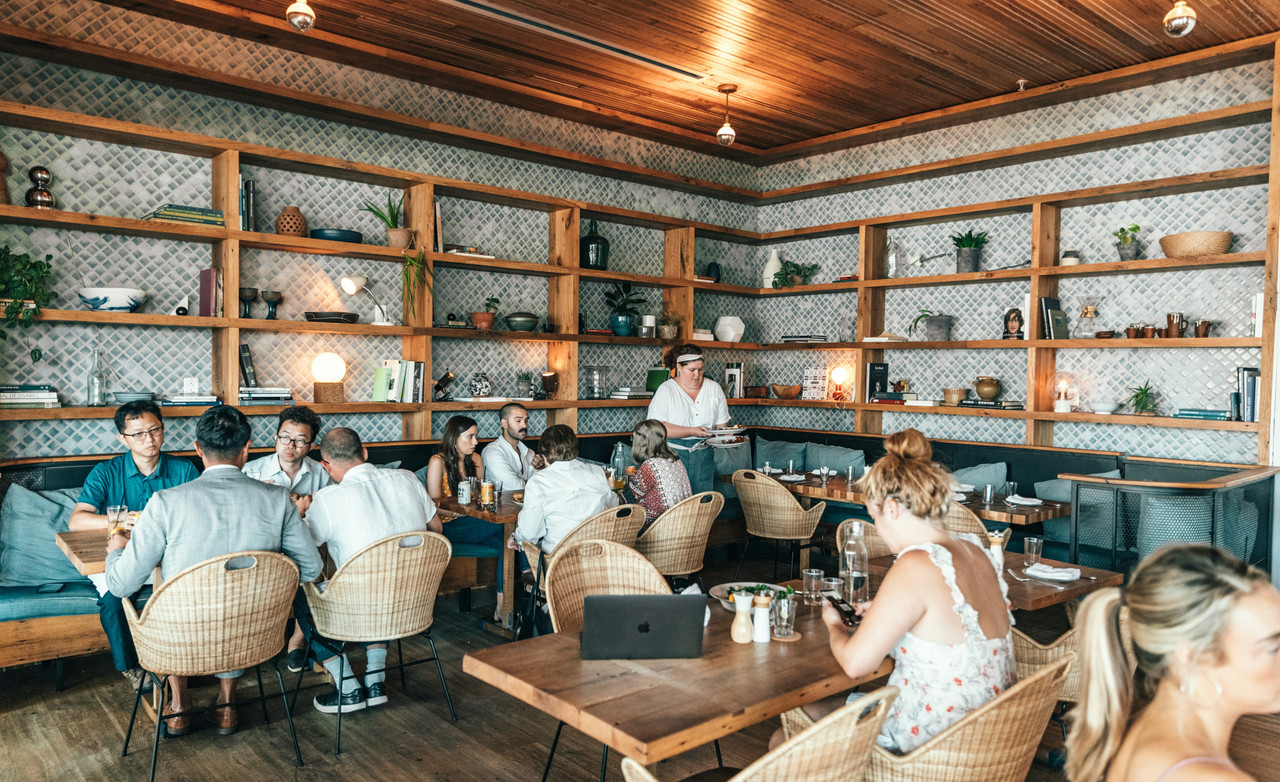
Independent hotels often find link building frustrating. Cold outreach emails to travel bloggers frequently go ignored, while digital PR agencies demand hefty monthly retainers for questionable results. Yet the most valuable link building and content marketing opportunities are located right outside your hotel lobby. Down the road, independent coffee roasters, family run wineries, surf instructors, and boutique galleries are fighting for the exact same discerning travellers that you want in your guest rooms. By treating neighbouring businesses as content collaborators rather than passive directory entries, you can build a network of authoritative local guides. These co-created micro-guides earn genuine editorial backlinks, establish rich regional entity signals, and direct guests straight into your booking engine.
Step 1: Identify High-Affinity Independent Neighbours Within Walking Distance
Begin by walking your immediate neighbourhood and compiling a shortlist of six to eight independent businesses that reflect your property's guest demographic. Focus on artisan bakeries, speciality coffee shops, craft breweries, historic walking tours, and boutique wellness studios. Avoid generic corporate chains and instead choose passionate independent owners who actively manage their own websites and social media channels. High-affinity local partners share your commitment to hospitality, making collaboration feel natural. This targeted partner audit ties neatly into a wider [hotel marketing health check](/blog/why-independent-hotels-need-a-marketing-strategy).
Step 2: Conduct Short Owner Interviews for Authentic Editorial Snapshots
Instead of writing another bland list of ten things to do in your town, send your front desk manager or content writer to interview the business owners. Spend fifteen minutes asking three operational questions: What local secret do most first-time visitors miss? What is your signature seasonal offering? What is your favourite morning walking route? Photograph the owners behind the counter, the baker taking sourdough from the oven, or the brewer pouring a fresh pint. Capturing genuine human stories differentiates your website from synthetic AI aggregator copy and supports an effective [narrative marketing approach](/blog/how-narrative-marketing-drives-direct-bookings).
Step 3: Publish Co-Branded Neighbourhood Guides with Reciprocal Backlinks
Turn these interview snapshots into dedicated micro-guides on your hotel blog, such as "An Insider Walking Guide to Morning Coffee in Our Quarter" or "Three Independent Wineries Within 15 Minutes of Our Front Door". Within each spotlight, include rich outbound links to the partner's website alongside their opening hours and walking directions. Once published, share the finished guide with the owner along with an easy-to-use snippet for their website, such as "Featured in the Official Neighbourhood Guide by [Your Hotel Name]". When local partners link back to your property from their press or about pages, search engines register strong contextual relevance that reinforces your [local intent search optimization](/blog/local-intent-search-how-independent-hotels-outrank-otas-in-neighbourhood-discovery).
Step 4: Distribute Guides Across Physical Front Desks and Digital Pre-Arrival Emails
Content partnerships should never remain confined to your blog archive. Turn your finished digital guides into QR code desk cards placed at reception, allowing front desk agents to recommend authentic local spots with confidence. Simultaneously, incorporate these micro-guides into your automated pre-arrival email sequence. Sending a curated neighbourhood coffee map three days prior to check-in positions your property as a trusted local concierge. Integrating helpful local guides into your [PMS email marketing automation](/blog/email-marketing-unlocking-the-secret-revenue-hidden-in-your-pms) enhances guest satisfaction and anchors repeat direct bookings within your [owned media channels](/blog/paid-earned-and-owned-media-a-hoteliers-guide-to-digital-revenue).
Conclusion
True regional authority cannot be purchased through mass directory submissions or manufactured through superficial link exchanges. By investing the time to co-create honest micro-guides with the artisan businesses in your neighbourhood, you cultivate meaningful community alliances. These relationships yield high-authority backlinks, delight your incoming guests with insider advice, and establish an authentic digital presence that OTA algorithms simply cannot recreate.
Frequently Asked Questions
How do local partner backlinks help hotel search engine visibility?
Search engines and AI answer engines evaluate the geographic relevance of your website through local link graphs. When nearby businesses link to your property, it confirms your physical presence and establishes your hotel as an authentic hub in the neighbourhood.
Should we ask local partners to pay to be featured in our hotel guides?
No. Charging local partners converts an authentic editorial partnership into paid advertising, which diminishes trust and can violate search engine link guidelines. Editorial inclusion should always be based on quality and mutual guest value.
How many local partner guides should an independent hotel publish?
Start with three to four foundational guides covering essential guest needs: morning coffee, evening dining, walking trails, and rainy day culture. Update each guide seasonally to maintain freshness and accuracy.
Can we offer direct booking guest discounts through partner businesses?
Yes. Reciprocal arrangements such as a complimentary pastry for hotel guests or an exclusive local resident room rate provide tangible value that drives foot traffic to both businesses.