Local Intent Search: How Independent Hotels Can Outrank OTAs in Neighbourhood Discovery
How independent hotels can capture high-intent bookings, outrank OTAs on Google Maps, and dominate neighbourhood search without a massive ad budget.
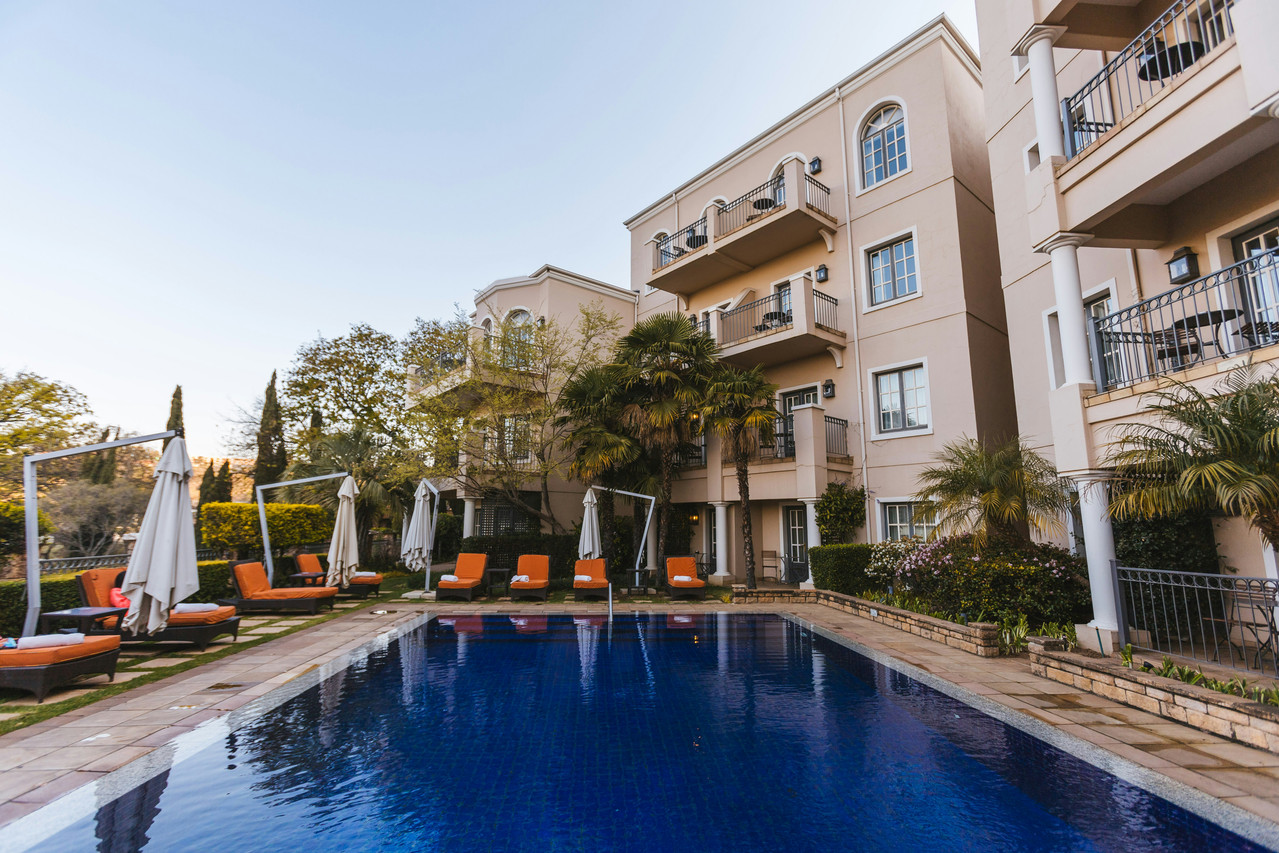
When travellers search for accommodation on Google, they rarely search for generic terms like "hotel" anymore. Instead, they type or speak queries with high local intent, such as "boutique hotel near Auckland waterfront with parking" or "pet friendly motel near Christchurch hospital". These hyper-local searches represent travellers who are ready to book. However, Online Travel Agencies (OTAs) aggressively bid on these location keywords, capturing high-margin traffic that belongs directly to independent properties. To win these valuable guests without paying 15% to 25% commission fees, independent hotels must shift their search engine marketing focus toward local entity optimization, neighborhood intent, and structured map signals. ### 4 Steps to Master Local Intent and Drive Direct Revenue By structuring your search strategy around your property's precise geographic location and local guest micro-moments, you can outrank big chain aggregators. **🔧 Implementation Framework:**
Optimise Your Google Business Profile Primary & Secondary Categories
Ensure your main category accurately reflects your core property type (e.g. Boutique Hotel, Motel, or Bed & Breakfast). Add secondary category tags like Event Venue or Restaurant if applicable, and verify your exact pin location on Google Maps. Consistent categories help your listing rank inside the Google local pack, which you can verify using our [Google Business Profile checklist](/blog/the-hoteliers-google-business-profile-checklist-for-ai-visibility).
Build Dedicated Local Neighborhood Landing Pages
Create individual website pages targeting specific local demand drivers within a 10-minute radius of your front door—such as nearby event arenas, university campuses, hospitals, or wedding venues. Providing dedicated local content gives search engines deep geographic relevance that generic OTA aggregators cannot match.
Implement LocalBusiness and GeoCoordinates Schema Markup
Add structured JSON-LD code to your homepage header containing your precise latitude and longitude coordinates, postal code, and nearby landmark entities to help search engine crawlers map your exact physical position. Pair this with [self referencing canonical tags](/blog/how-canonical-tags-protect-your-hotels-google-ranking) to protect your direct site authority.
Claim Local Citations and Regional Tourism Links
Ensure your property name, address, and phone number (NAP consistency) match identically across local tourism board directories, regional business listings, and council websites. Consistent regional backlinks reinforce your entity authority as an authentic local provider.
Conclusion
### What’s Coming Next in the Masterclass? This local search guide is Week 2 of our 6-Week Hotel Marketing Masterclass. Next week, we turn our attention to your highest-margin owned channel: * **Week 1:** [Hotel Digital Marketing Health Check](/blog/why-independent-hotels-need-a-marketing-strategy) * **Week 2:** Search Engine Marketing & Local Intent * **Week 3:** Email Marketing & PMS Database Automation * **Week 4:** Paid Media & PPC on a Modest Budget * **Week 5:** Social Proof, Reviews & Guest Word-of-Mouse * **Week 6:** Booking Engine Conversion Rate Optimisation
Frequently Asked Questions
Why is local intent search so effective for independent hotels?
Local intent queries carry high booking intent because searchers are looking for specific location solutions. Independent hotels have a natural advantage over global OTAs because they can write genuine, hyper-local content about their immediate neighborhood.
Does a hotel need a large Google Ads budget to win local search traffic?
No. Organic local map pack listings and structured website content can drive substantial direct traffic without any paid ad spend.
How far from my hotel should I target for local attraction pages?
Focus primarily on attractions, venues, and transit hubs within a 5-to-15 minute driving or walking distance from your property to ensure high content relevance for prospective guests.